

How to Avoid the Most Common DIY Painting Mistakes
Painting is one of the most gratifying home improvement projects because of its transformative power and relative cost-effectiveness. However, many DIY enthusiasts dive into these undertakings without adequate preparation or knowledge, leading to costly and time-consuming mistakes. Homeowners frequently underestimate the complexity of a fresh coat of color, assuming that the process is as simple as applying paint to a wall. Understanding the common pitfalls associated with DIY painting saves significant frustration while ensuring that your final results look sleek, uniform, and professional.
According to HomeAdvisor, the interior of a home should be repainted every three to ten years, depending on room usage and environmental exposure. This recurring requirement highlights the importance of mastering basic painting skills to streamline future renovations and protect your living spaces. Developing a strategic approach minimizes disruptions to your daily routine, emphasizing that true quality lies within proper preparation and careful execution rather than speed. Equipping yourself with the correct tools and industry knowledge turns what could be a stressful chore into a seamless, rewarding experience that enhances your space.
Most DIY mistakes are entirely preventable with structured planning and thorough execution. Overlooking essential steps like surface preparation or purchasing inferior materials can result in peeling, streaking, and finishes that deteriorate prematurely. Investing time up front to understand proper application methods ensures long-lasting durability and boosts your home's aesthetic appeal. This comprehensive guide covers the fundamental techniques needed to conquer common errors, giving you the confidence to complete your next project with flawless efficiency.
Choosing Proper Equipment and Paints
Selecting the right paint formula forms the foundation of any successful transformation. Water-based latex paints dry quickly, produce minimal odors, and clean up easily, making them ideal for interior walls and ceilings. Oil-based alkyd paints deliver exceptional durability and smooth coverage, which benefits high-traffic areas, cabinets, and architectural trim. Purchasing supplies from established paint stores ensures access to expert advice and high-grade products designed for maximum longevity.
Selecting the appropriate finish is equally vital because sheen impacts both room aesthetics and surface maintenance. Flat and matte finishes excel at hiding wall imperfections in low-traffic areas like bedrooms, while semi-gloss and high-gloss sheen offers maximum moisture resistance for kitchens and bathrooms. Premium brushes and rollers further improve paint delivery, preventing unsightly bristle marks, lint transfer, and uneven texture across your walls.
Accurately calculating your material needs prevents unwanted interruptions and color inconsistencies mid-project. A single gallon of paint generally covers 350 to 400 square feet, though textured surfaces or dramatic color transitions may demand additional coverage. Gathering essential accessories, including painter's tape, sturdy drop cloths, extension poles, and sturdy ladders, ensures your workspace remains organized, safe, and fully prepared for consistent application.
Preparing Wall Surfaces Properly
Thorough cleaning is a mandatory preliminary step for long-lasting paint adhesion. Accumulated grease, dust, and hand oils form a physical barrier that prevents fresh paint from bonding correctly, eventually causing peeling or bubbling. Washing walls with a mild detergent solution or specialized cleaners removes invisible contaminants, providing a pristine foundation for your new color layer.
Filling surface imperfections guarantees a smooth, professional result once topcoats are applied. Spackle or joint compound should be used to patch nail holes, deep dents, and stress cracks before sanding the repaired areas perfectly flush with the wall. Applying a quality primer over these repairs seals porous compounds, neutralizes stains, and ensures uniform paint absorption without dull spots.
Sanding existing finishes knocks down lingering gloss and smooths out old drips or rough textures. Protecting surrounding areas with high-grade painter's tape and heavy-duty canvas drop cloths prevents tedious cleanup tasks later. Visiting dedicated paint stores allows you to source specialized painter's tape and protective films tailored to sensitive flooring or delicate trim work.
Executing Proven Application Techniques
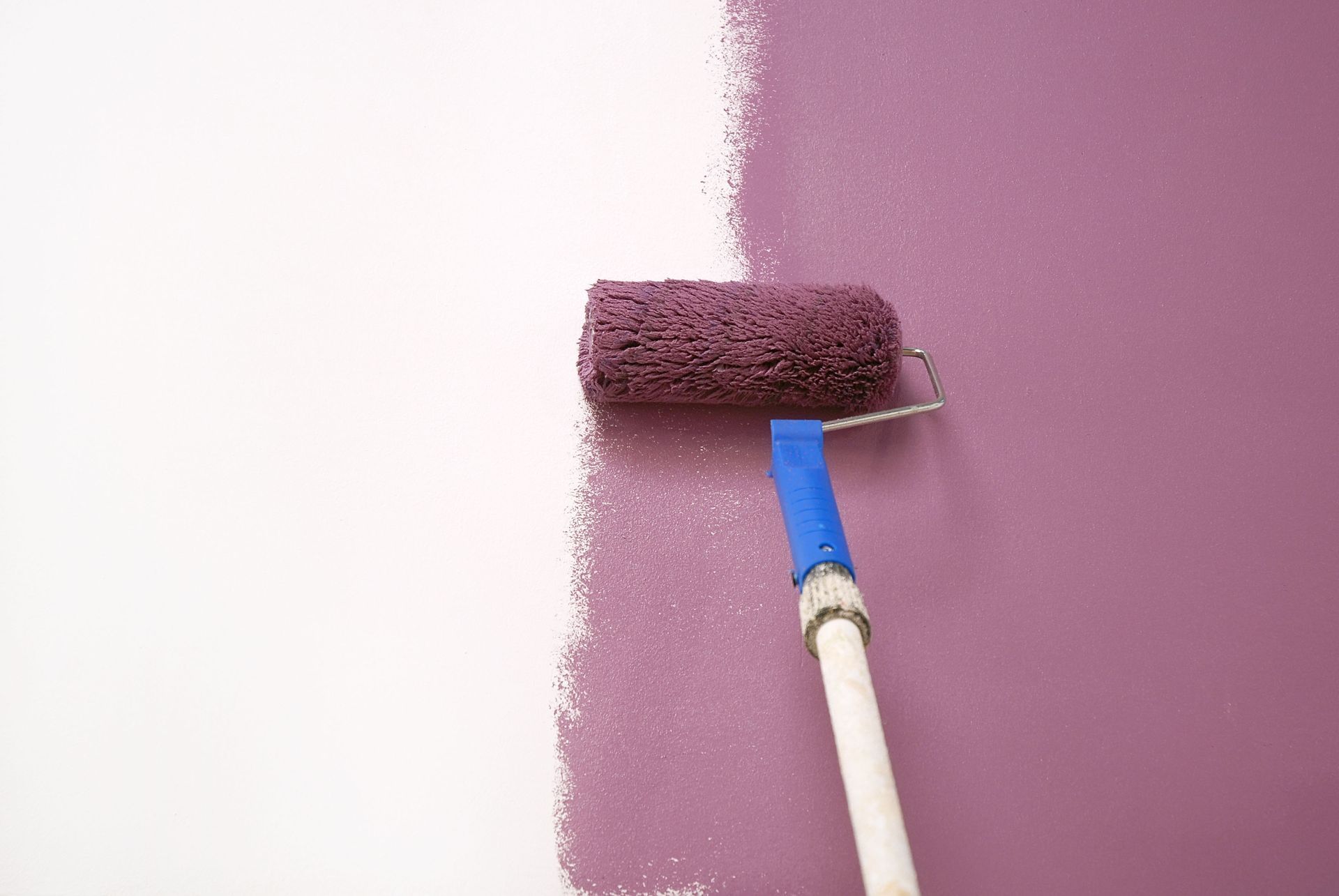
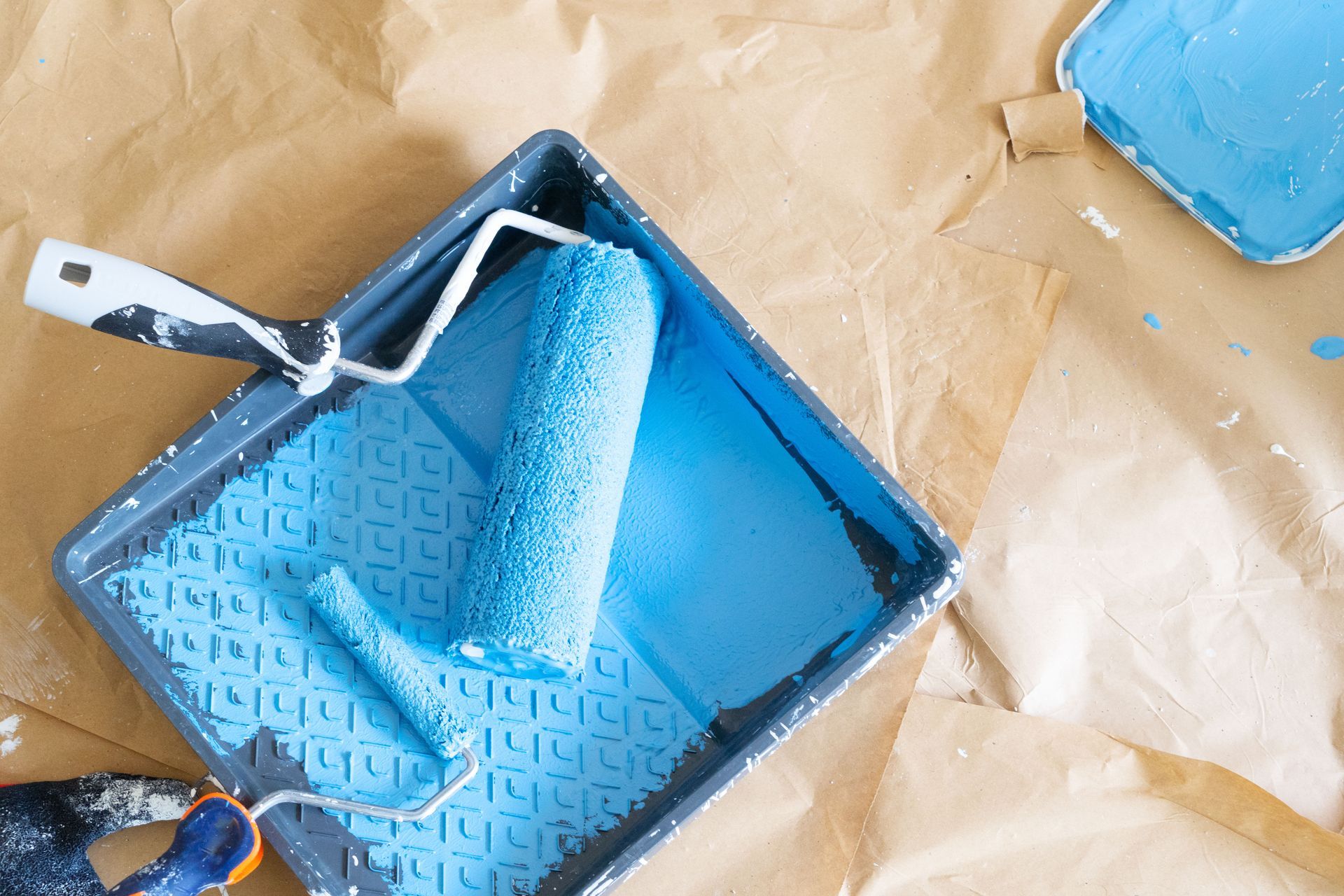
Mastering the balance between brushes and rollers speeds up production while maintaining crisp edges. Brushes are essential for cutting in along ceilings, baseboards, and tight corners where rollers cannot reach cleanly. Rollers handle wide, expansive wall surfaces, distributing paint quickly and evenly when loaded correctly using a proper tray grid.
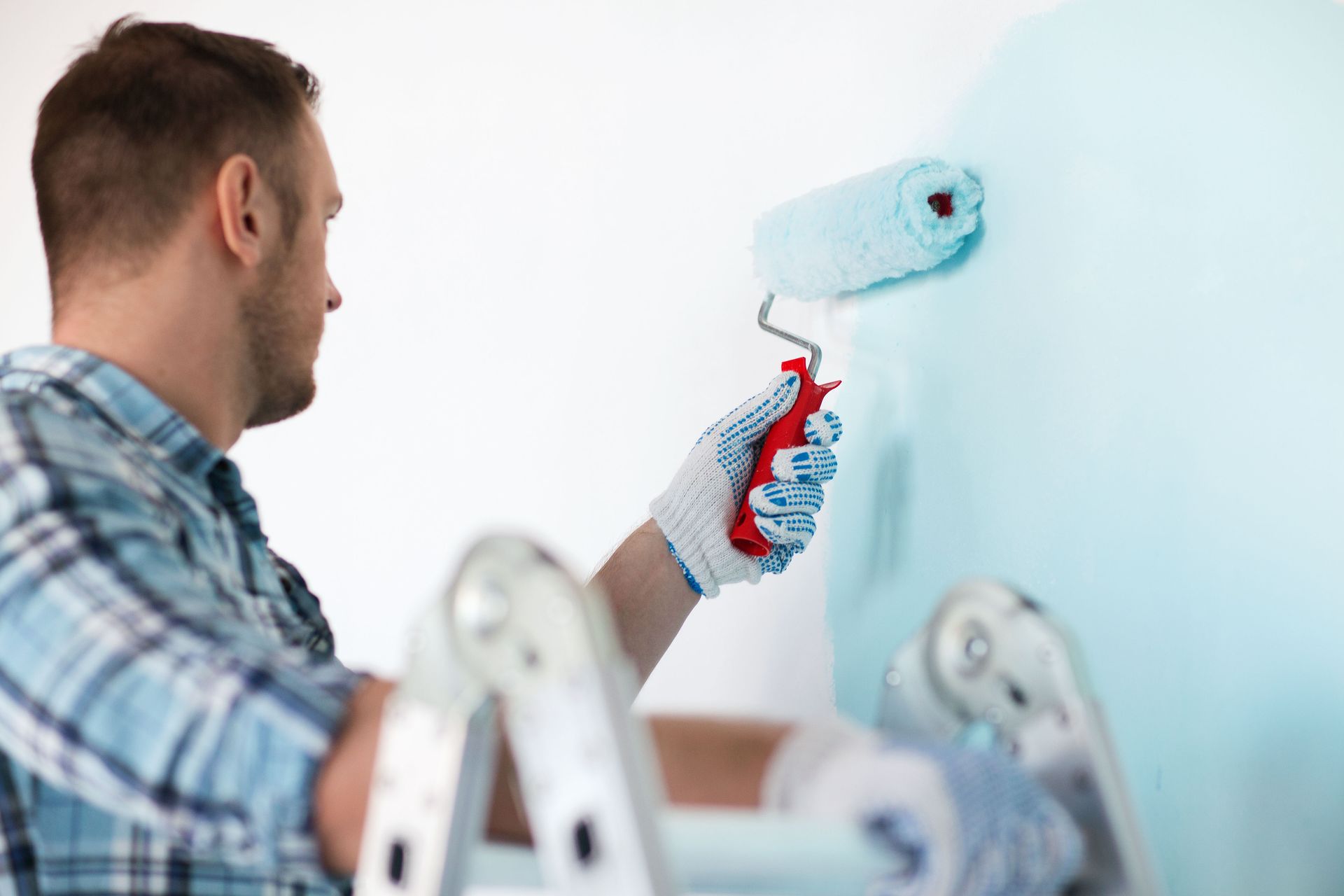
Maintaining a wet edge while painting prevents visible overlap lines and patchy textures. Working continuously from one side of a wall to the other ensures that freshly applied paint blends seamlessly with the adjacent section before drying. Applying two thin, controlled coats produces far superior durability and richer color depth than attempting to cover a wall with a single heavy coat.
Allowing adequate drying time between coats prevents lifting or drag marks during application. Environmental factors such as humidity and room temperature significantly influence drying speeds, making proper room ventilation essential. Using professional equipment sourced from reliable paint stores helps maintain smooth, consistent paint flow throughout the entire application process.
Avoiding Common Painting Errors
Rushing through application without allowing coats to cure fully leads to blistering and uneven sheen. Environmental conditions like high humidity slow evaporation, requiring extended dry times before adding subsequent layers. Paying close attention to manufacturer recommendations regarding temperature limits prevents compromised paint films and structural weakness
.
Overloading brushes or rollers creates heavy drips, sags, and unwanted splatter across surrounding furniture. Removing excess paint on the tray grid before taking the roller to the wall maintains precise application control. Taking time to mask off edges securely prevents paint from bleeding under tape lines, preserving sharp separations between different paint colors.
Improper tool maintenance during long projects damages brush bristles and ruins roller covers. Wrapping tools tightly in plastic wrap during short breaks stops paint from drying into hard clumps within the bristles. Sourcing specialty cleaning supplies from local paint stores simplifies cleanup routines and extends the usable life of your premium application tools.
Completing Post-Painting Care and Maintenance
Removing painter's tape at the proper moment ensures crisp, razor-sharp paint edges without peeling away your fresh topcoat. Pulling the tape away slowly at a 45-degree angle while the final coat is still slightly damp prevents the dried paint film from tearing unexpectedly off the wall surface. If the paint has dried completely, scoring the tape edge very lightly with a sharp utility knife yields a clean separation without damaging the drywall.
Properly storing leftover paint guarantees accurate touch-ups for future scuffs, minor scratches, or accidental wall marks over time. Wiping the rim completely clean before sealing the lid tightly prevents air exposure, stops rust formation, and preserves the paint for years. Storing your leftover cans in climate-controlled areas keeps the internal chemical formula stable, protecting your original investment for routine maintenance projects down the road.
Regular washing with gentle, non-abrasive sponges keeps painted surfaces looking fresh without prematurely wearing down the protective sheen or causing unsightly discoloration. High-traffic zones like hallways and entryways benefit from periodic visual inspections to catch minor chips or scuffs long before they expand into larger issues. Visiting full-service paint stores provides access to exact color-matching technology and specialized touch-up tools whenever unexpected repairs or updates become necessary.
Transforming your home with a fresh coat of paint becomes straightforward when you follow structured preparation steps, use quality equipment, and apply proven techniques. Avoiding common mistakes ensures a durable, beautiful finish that protects your walls and enhances your living environment for years to come. For more information about the services that we offer, reach out to our incredible team at The Paint Bucket today!






Share On: